D&D campaign settings are more than just a location (or group of locations) for D&D adventurers to explore and conquer.
If we broaden our minds, we can start seeing different D&D campaign settings as unique sandboxes with special traits—and these traits come together as a toolset that DMs can use to craft deeper, more intricate, and more interesting stories.
And few D&D campaign settings have introduced as much depth and narrative magic as Eberron.
Originally published in 2004, the world of Eberron combines pulp action-adventure with a fantasy setting that even incorporates steampunk elements (because who doesn’t love airships?).
Here’s everything you need to know about why Eberron is one of the best and most popular D&D campaign settings!
How Did Eberron Get Started?
While other D&D campaign settings—like Forgotten Realms and Greyhawk—were conceived within the TSR and Wizards of the Coast offices (the companies that owned and published Dungeons and Dragons ), Eberron started elsewhere.
In 2002, Wizards of the Coast put out a contest and called for fans to create and submit their own campaign settings for D&D. The grand prize was official publication of the submitted campaign setting, plus cash and the envy of tabletop nerds worldwide.
Keith Baker won these accolades with what would eventually be called Eberron, a world torn apart by recent war and struggling to put its pieces back together.
Out of 11,000 entries, his was chosen and developed into a full campaign setting that was originally released for 3.5 Edition, and then given a 5th Edition update in 2019, advancing the timeline and conforming the world to the game’s changes.
What Made Eberron So Special?
Given how beloved Eberron is, many D&D players often wonder why Eberron different from other traditional adventure settings.
While most campaign settings seek to keep magic away from the general population—magic is usually an obscure and difficult-to-obtain power— Eberron floods its world with low-level magic.
Magical lanterns illuminate city streets. Engines that run on magical energies power continent-spanning trains and soaring airships. Entire noble households exist to monetize the use of this simple, everyday magic.
The prevalence of magic lends a more pulpy feel to the world, where even low-level characters can go on adventures that take them across the world and into wild encounters.
In Eberron, players can choose from Dragonmarks, which can expand the abilities of arcane classes or even grant magic to classes that don’t normally get access to it. The world opens up all kinds of fascinating opportunities, and possibilities are limitless.
Related: Interesting homebrew D&D classes worth trying
Yet, while simple magic is in abundance throughout the world of Eberron, powerful magic and spellcasters are much rarer in Eberron than in other campaign settings.
When an Eberronian wizard gains the ability to cast fifth-level or sixth-level spells, they’re already among the most powerful people on the planet and only stand to widen the gap between themselves and the rest of the world.
There is no all-powerful Elminster waiting in the wings, capable of fixing any problem that arises. The party is on their own.
Eberron Introduced More Player Options
The act of imbuing magic into items is so commonplace in Eberron that a new class was developed to take advantage of it: the Artificer casts magic by imbuing items with desired effects.
These effects can be as simple as buffs for party members, or as devastating as fireballs, sonic booms, and other wizard spells. It’s a class that can exist in any setting, but feels at home in Eberron.

Related: The most overpowered spells in D&D 5e
Players also had new races and new character backgrounds to choose between for their own characters.
The Warforged race, for example, consisted of machines given sentience by magic—and subsequently given the rights of citizenship. The Shifter race gave players the option to play as a were-folk without tying transformation to a curse, and instead making it something that lives within their lineage.
My personal favorite is the Changeling race, who could alter their appearance with a thought. It was perfect for players like myself who can never decide on just one character concept—so, instead, they keep their options open and always changing.
The original Eberron rulebook also offered optional rules for Action Dice. Action Dice allowed players a certain number of dice per session (or level) that could be added to dice rolls.
Using these Action Dice helped augment the pulpy action feel of the setting by allowing characters to boost their attempts in heroic scenarios, like when breaking down doors to rescue a comrade or successfully following the trail of a killer through city streets.
One More Way Eberron Influenced D&D
Perhaps the most significant way that Eberron breaks from traditional D&D campaign settings is in its treatment of racial traits, particularly alignment.
Eberron focused more on cultural ties than innate race, which opened up a lot more versatility in player characters—such as being able to play an Orc without the entire adventure being about proving you weren’t like your “savage cousins”.
Much has been said in recent years about the dangers of tying good and evil alignments to races, and we can thank Eberron for being one of the first campaign settings to move away from that.
Sure, there are still prejudices in the world, but they are focused more on cultural or national influence than being based purely on a character’s racial ancestry.
D&D still has a long way to go when it comes to this troubling aspect of its history, but Eberron proves that it can get there and still feel like the game we all know and love.
When you play D&D, you’re usually turning to the official D&D books to create your character. You might feel limited by these characters (though there are tons of official options).
If you’re looking to liven up your Dungeons & Dragons games with some craziness, you should check out the homebrew scene.
Once you dig into the world of homebrew classes, you might never play Dungeons & Dragons with just the basic content from the official books again. Here are some interesting homebrew D&D classes you should try in your next campaign!
Related: Useful D&D sites and tools to bookmark
1.Necromancer
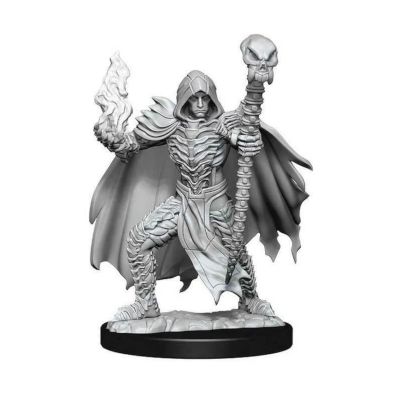
If you’re looking for a fun caster to play with some incredibly dark themes, then Necromancer might be the class for you. It plays a bit like a sorcerer, but it has more focus on enchantment spells.
The ability to hit an enemy and steal their health is both flavorful and incredibly powerful in a wide variety of combat situations. As they level up and gain the ability to animate the dead, things really get going—and the roleplay possibilities open up.

Related: Useful D&D 5e spells that are often overlooked
2.Demon Hunter
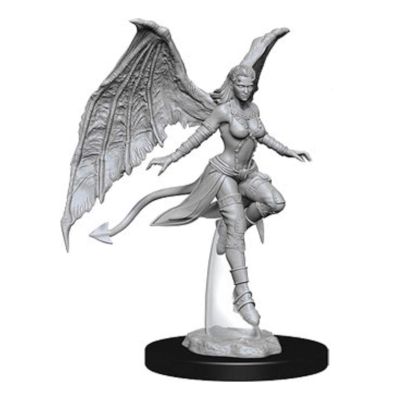
For role-playing purposes, a Demon Hunter is a really fun class. You can come up with an interesting backstory for why your character is devoted to a life of hunting demons.
If you’re playing in a campaign that has a reason for demons to be a critical part of the game, you’ll have a ton of fun with Demon Hunter. It has some of the same spells as a Warlock, but with more than enough that makes it stand out on its own.
Related: What D&D class should I play?
3.Nomad
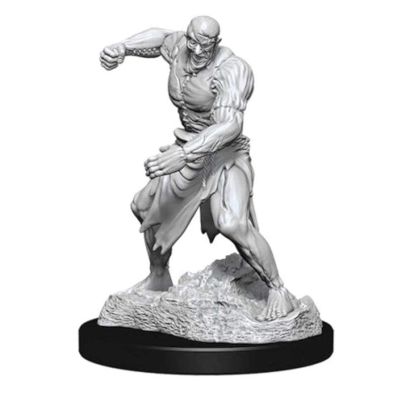
A Nomad doesn’t necessarily sound like the coolest thing to play in D&D, but the class actually looks quite solid. Their whole theme is about fighting dirty so you get a free disengage whenever you land an attack on an enemy.
This is extremely powerful for defensive purposes. Once you factor in the spellcasting abilities they get at later levels, the Nomad ends up being pretty cool.

Related: The best D&D YouTube channels for beginners
4.Gladiator
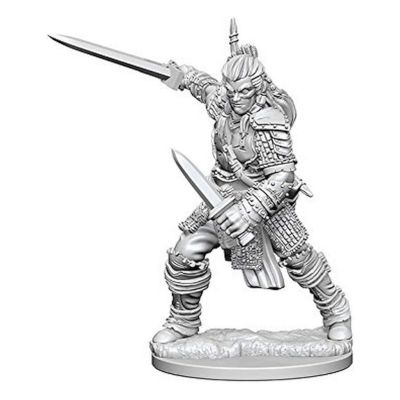
When you think of a badass who gets stuff done in combat, you probably think of a Gladiator. In terms of getting into fights, it’s not the most innovative class, playing like a hybrid of a barbarian or fighter, but the backstories you can create with them.
How did they end up being forced into a life of fighting? Do they enjoy it? Are they insanely smart despite being brutish and physically powerful? There’s so much fun you can have as a Gladiator in D&D!
5.Apocalypto
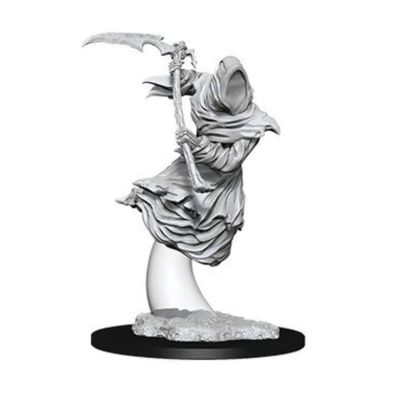
This is one of the most well-realized homebrew classes in D&D (outside of Matt Mercer’s classes that have become semi-official). The Apocalypto is literally a harbinger of the end of the world. The backstory ideas practically write themselves.
You get to start off with a badass steed right from level one. Who wouldn’t want that? You also get to choose a Path of Apocalypse, which means you pick from War, Pestilence, Famine, and Death. Everything about this class is badass.
Related: The most overpowered D&D 5e spells, ranked
6.Blood Mage
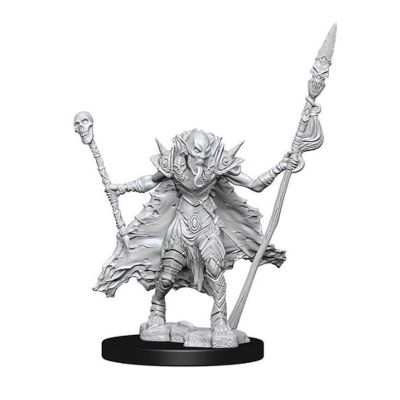
In many RPGs, Blood Mages are the dark magic users who tap into the power of blood to create incredibly powerful effects. In D&D, that stereotype holds true, as they tap into their own vitality and manipulate it to their advantage.
They literally hurt themselves to kill their enemies. How cool is that? They get to tap into Warlock and Wizard spells, but with enough bloody modifications to make them their own. At one point, they can literally wear a suit of armor made of their own blood!
7.Witch
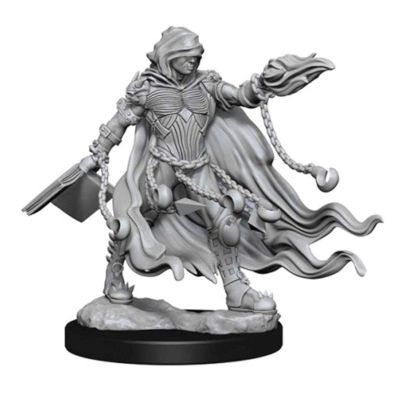
As you can probably guess, a Witch is a spell caster first and foremost. However, they also get a familiar to fight with at level one, which is quite powerful. They also get these crazy powerful ghostly bonds, which open up lots of fun builds.
And when you work on a witch’s backstory, you can have a lot of work with the fact that people tend to not be fond of them. There’s a lot of room to play around with your Witch, and that’s what D&D is really all about!