Dungeon masters for D&D have a tough job. The 5th Edition of the D&D Player’s Handbook is packed full of rules to learn in order to make the game as seamless and smooth and fun as possible.
However, one of the central principles of DMing has always been to adapt the rules and make the game work best for your table . That’s where D&D house rules come in!
Related: The key traits shared by all the best D&D DMs
The “Rules as Written” (often shortened to RAW) are merely a starting point for any DM looking to craft the perfect tabletop experience for their specific group of players.
And that’s why, over the years, many dungeon masters have come up with their own house rules to customize the D&D experience for their own tables with their own needs and wants.
We can’t list every house rule ever invented—there are too many to put into one article, and we don’t know every single one—but here are some of the best D&D house rules I’ve used and found useful!
House Rule 1: Mass Mob Swarms
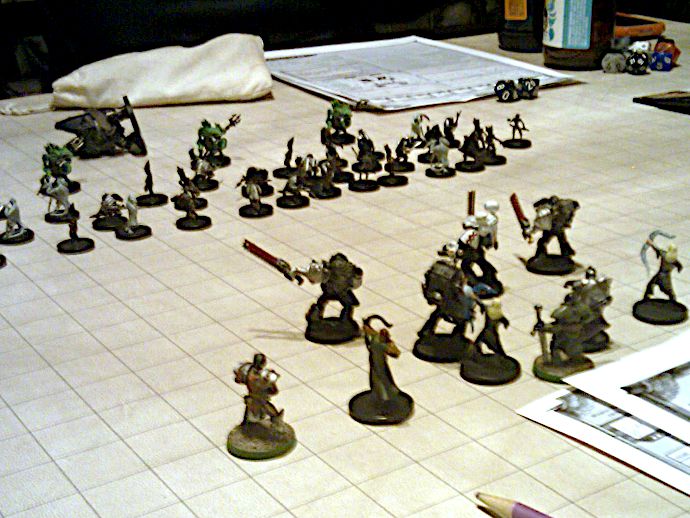
Image credit:Rhea C
When you have a mob of low-level enemies, consider combining them into a “swarm” that has a shared HP pool and multiple attacks based on how many creatures are in the swarm .
For example, if you have 10 Guards trying to subdue the party and each Guard has 10 HP, you might represent them using a single creature called “Swarm of Guards” who has 100 HP and 10 attacks per round. (These attacks can happen on a single initiative or be scattered through the round as appropriate.)
Not only is this a lot easier for you to track as a DM, but it results in a more formidable opponent for your players!
Optional variant: When the party deals enough damage to eliminate one of the creatures in the swarm, reduce the swarm’s number of attacks by 1 to represent their weakening numbers. Using the Guard example above, for every 10 points of damage taken, the Swarm of Guards makes 1 fewer attack per round.

Related: Unusual D&D 5e creatures for fun encounters
House Rule 2: Transmute Starting Stats
Image credit:James Jones
Most D&D players go into character creation with an idea of what kind of character they want to play.
If your table is using a standard array system or a point-buy system to choose character starting stats, then players have enough control to ensure their character has the stats to do what they want to do.
But what happens if your table is rolling dice for starting stats and your players are unhappy with how their key stats came out?
This D&D house rule allows a player to decrease one starting stat by two points in order to increase another starting stat by one point , effectively sacrificing one attribute to become better at another.
A player creating a Bard might choose to take a dip in Strength in order to boost Charisma, deciding it’s OK to hamper their physical abilities if that means they can be a better spellcaster.
Optional variant: Only let players do this once. This prevents someone from trashing all of their physical attributes to max out their spellcasting ability, or throwing away all of their intelligence for exceptional strength.
Related: Standard array vs. point buy vs. dice rolls, explained
House Rule 3: Choose Racial Stat Bonuses
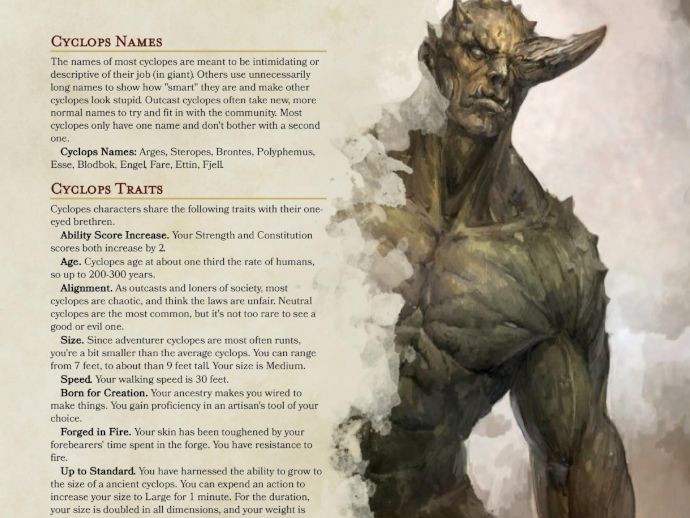
D&D has had a sketchy relationship with race from its earliest incarnations, and it’s a problem that has—rightfully so—gotten more and more attention in recent years.
In 5th Edition D&D, a player’s choice of race has a large influence on their starting stats. For example, Half-Orcs are given a +2 bonus to Strength and a +1 bonus to Constitution, which reinforces their stereotype of being lumbering brutes.
This D&D house rule allows players to choose which stats receive their racial bonuses , as long as they choose different stats for each bonus and stay below the individual stat cap of 20.
For example, a player creating a Half-Orc may choose to apply their +2 and +1 bonuses to Charisma and Intelligence, respectively.
This flexibility means that any race can succeed at any class, opening up a wider variety of characters and roles—not only within a given party, but also within each race’s cultures.
Related: Fun homebrew D&D classes to try next game
House Rule 4: Secret Death Saves
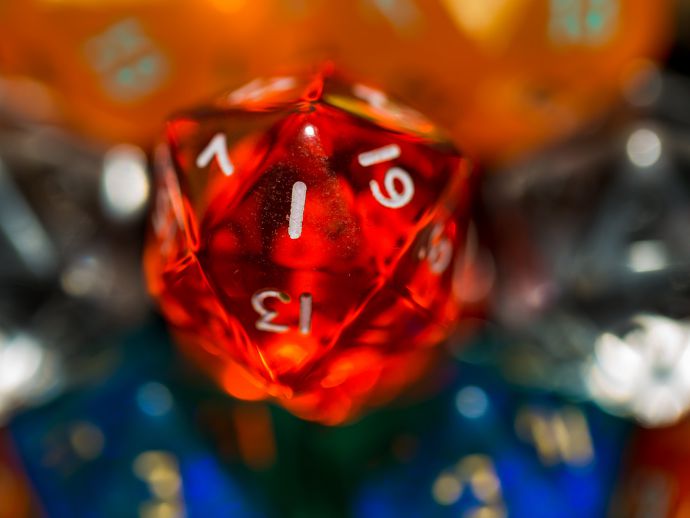
Image credit:Herjolf
“Death save” rolls happen when a character reaches 0 HP: they fall unconscious and must roll a d20 on each of their subsequent turns. On each turn’s roll, a 10+ is a pass while anything below a 10 is a fail.
With three passing death saves, the character remains unconscious but no longer has to roll any more death saves. With three failing death saves, the character permanently dies.
Normally, death saving throws are made publicly so the party knows how close their comrade is to death. This D&D house rule makes all death saving throws secret between the player and the DM.
The result is increased tension among the other party members, who no longer have a perfect indication of how many rounds they can postpone before saving their comrade. Oh, the suspense!
Optional variant: Have the DM roll the death saving throw in secret so that even the player of the unconscious character doesn’t even know!
No Right or Wrong D&D House Rules
The important thing with any D&D house rule is that it should only be used if it increases the overall fun for the players at the table.
Some of these house rules might do that for you and your group. Others might make the game too stressful, too lenient, or too unfamiliar, and those are all perfectly valid reasons to reject any house rule.
The beautiful thing about tabletop gaming is that you can twist and change the rules to whatever works best for your group. There are no right rules and no wrong rules—only fun rules.

When you play D&D, you’re usually turning to the official D&D books to create your character. You might feel limited by these characters (though there are tons of official options).
If you’re looking to liven up your Dungeons & Dragons games with some craziness, you should check out the homebrew scene.
Once you dig into the world of homebrew classes, you might never play Dungeons & Dragons with just the basic content from the official books again. Here are some interesting homebrew D&D classes you should try in your next campaign!
Related: Useful D&D sites and tools to bookmark
1.Necromancer
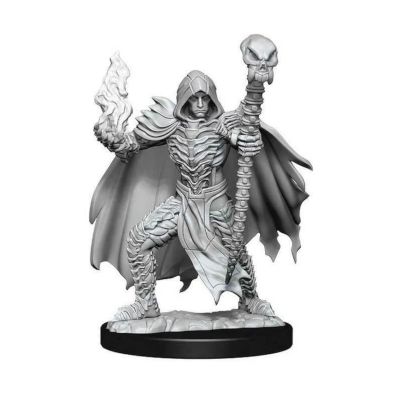
If you’re looking for a fun caster to play with some incredibly dark themes, then Necromancer might be the class for you. It plays a bit like a sorcerer, but it has more focus on enchantment spells.
The ability to hit an enemy and steal their health is both flavorful and incredibly powerful in a wide variety of combat situations. As they level up and gain the ability to animate the dead, things really get going—and the roleplay possibilities open up.

Related: Useful D&D 5e spells that are often overlooked
2.Demon Hunter
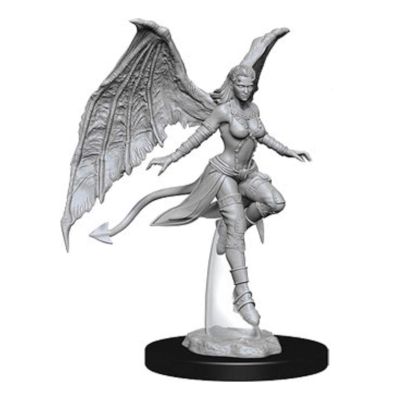
For role-playing purposes, a Demon Hunter is a really fun class. You can come up with an interesting backstory for why your character is devoted to a life of hunting demons.
If you’re playing in a campaign that has a reason for demons to be a critical part of the game, you’ll have a ton of fun with Demon Hunter. It has some of the same spells as a Warlock, but with more than enough that makes it stand out on its own.

Related: What D&D class should I play?
3.Nomad
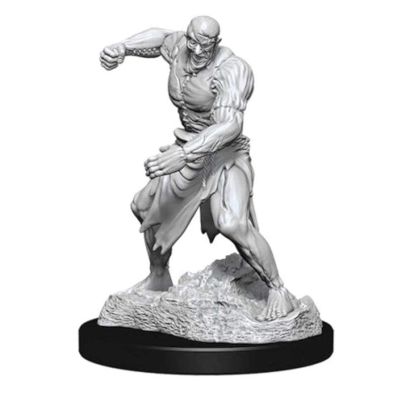
A Nomad doesn’t necessarily sound like the coolest thing to play in D&D, but the class actually looks quite solid. Their whole theme is about fighting dirty so you get a free disengage whenever you land an attack on an enemy.
This is extremely powerful for defensive purposes. Once you factor in the spellcasting abilities they get at later levels, the Nomad ends up being pretty cool.

Related: The best D&D YouTube channels for beginners
4.Gladiator
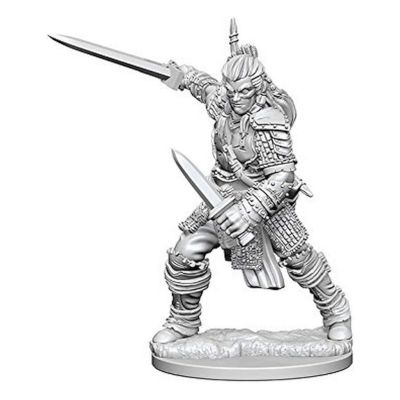
When you think of a badass who gets stuff done in combat, you probably think of a Gladiator. In terms of getting into fights, it’s not the most innovative class, playing like a hybrid of a barbarian or fighter, but the backstories you can create with them.
How did they end up being forced into a life of fighting? Do they enjoy it? Are they insanely smart despite being brutish and physically powerful? There’s so much fun you can have as a Gladiator in D&D!
5.Apocalypto
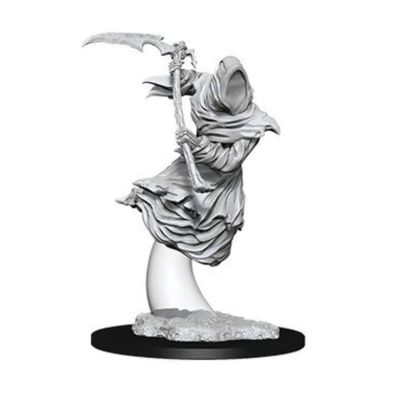
This is one of the most well-realized homebrew classes in D&D (outside of Matt Mercer’s classes that have become semi-official). The Apocalypto is literally a harbinger of the end of the world. The backstory ideas practically write themselves.
You get to start off with a badass steed right from level one. Who wouldn’t want that? You also get to choose a Path of Apocalypse, which means you pick from War, Pestilence, Famine, and Death. Everything about this class is badass.

Related: The most overpowered D&D 5e spells, ranked
6.Blood Mage
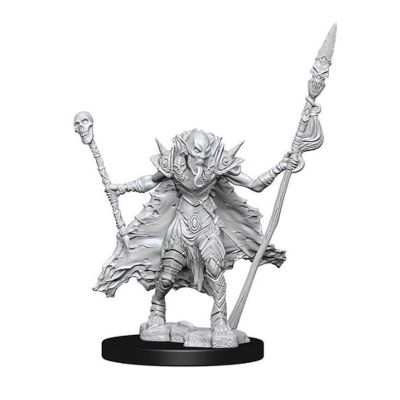
In many RPGs, Blood Mages are the dark magic users who tap into the power of blood to create incredibly powerful effects. In D&D, that stereotype holds true, as they tap into their own vitality and manipulate it to their advantage.
They literally hurt themselves to kill their enemies. How cool is that? They get to tap into Warlock and Wizard spells, but with enough bloody modifications to make them their own. At one point, they can literally wear a suit of armor made of their own blood!
7.Witch
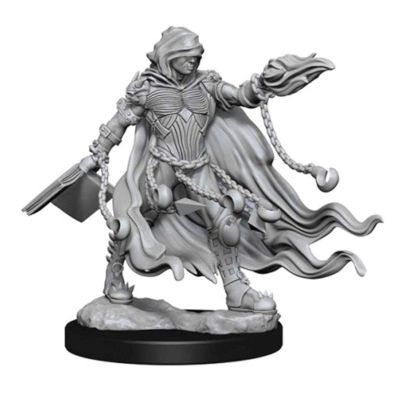
As you can probably guess, a Witch is a spell caster first and foremost. However, they also get a familiar to fight with at level one, which is quite powerful. They also get these crazy powerful ghostly bonds, which open up lots of fun builds.
And when you work on a witch’s backstory, you can have a lot of work with the fact that people tend to not be fond of them. There’s a lot of room to play around with your Witch, and that’s what D&D is really all about!